In today's fast-paced event industry, the integration of technology plays a crucial role in creating memorable experiences. Intelligent stage lighting serves as a prime example. It not only enhances the visual appeal but also shapes the audience's emotional journey. According to industry expert Mark Johnson, "Lighting can transform a mundane event into an unforgettable experience." This highlights the profound impact that effective lighting has on an event's overall atmosphere.
Attendees often remember how an event made them feel. Intelligent lighting designs can evoke excitement, intimacy, or even nostalgia. These subtle yet powerful shifts in mood can greatly influence audience engagement. For instance, a dramatic light change during a performance can capture attention instantly. Such moments are pivotal in creating lasting impressions. Yet, the challenge remains in striking the right balance. Not all events demand the same level of intensity or complexity in lighting.
In exploring how does intelligent stage lighting enhance event experiences, it's essential to consider potential pitfalls. Overly elaborate designs may distract rather than engage. Simple yet effective lighting can sometimes yield the best results. Understanding the unique needs of each event is vital. Ultimately, the right lighting can be a game-changer, transforming your event from the ordinary to the extraordinary.
The Evolution of Stage Lighting Technology in Events
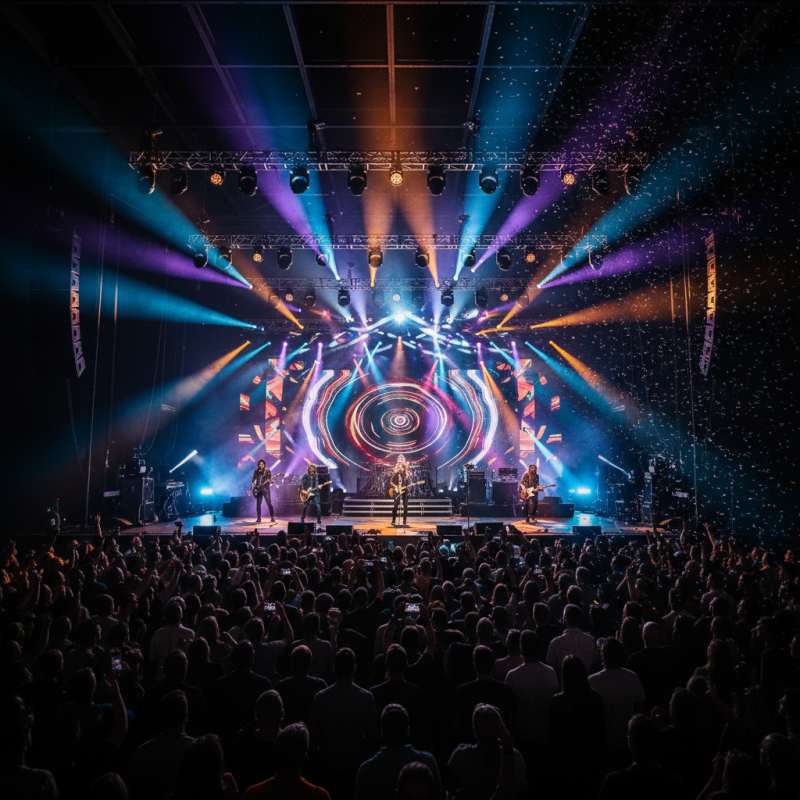
The evolution of stage lighting technology has significantly transformed event experiences. In the past, lighting options were limited and often static. Basic spotlights and colored gels created an environment, but lacked sophistication. Today, advancements in intelligent lighting have made it dynamic and vibrant. This technology uses programmable fixtures and automation, allowing for intricate light displays. According to a report from the International Association of Venue Managers, over 70% of event professionals believe modern lighting enhances audience engagement.
Intelligent stage lighting can adapt in real time. This flexibility allows for improvements during live performances and events. For example, during concerts, lighting can synchronize with music, creating an immersive experience. Data from Research and Markets indicates the global stage lighting market is expected to grow by 6.5% annually through 2025. This growth is driven by technological innovations and the demand for higher production quality.
However, the rapid evolution also poses challenges. Not every event can utilize advanced lighting effectively. Some venues may lack the infrastructure to support modern systems. Moreover, there is a learning curve for event coordinators unfamiliar with cutting-edge technology. Therefore, understanding these complexities is crucial. As the industry grows, so must the skills of those who manage these lighting systems.
Key Features of Intelligent Stage Lighting Systems
Intelligent stage lighting systems are transforming event experiences in various ways. These systems use advanced technology to create dynamic visual effects. From concerts to corporate events, they enhance the atmosphere significantly. Their capabilities go beyond mere illumination; they can change color, intensity, and position in real time. This level of control allows for a uniquely immersive experience.
Key features of intelligent stage lighting include automated movements and programmable sequences. These functions enable choreographed light shows that sync with music and performances. However, there is a learning curve for operators. Understanding the myriad settings can be challenging. Additionally, the complexity of setup often leads to technical issues during events. Despite these hurdles, the benefits often outweigh the drawbacks.
Another important aspect is the integration of user-friendly software. This software simplifies the programming process, making it accessible even for those with limited experience. Yet, relying too much on technology may lead to a disconnect with the audience. Balancing automation with human creativity is vital for achieving stunning results. Ultimately, intelligent stage lighting can either make or break an event, depending on its execution.
Enhancing Audience Engagement through Light Design
Intelligent stage lighting transforms event experiences by creating immersive environments. According to a report by the International Live Events Association, events with strategic light design see a 65% increase in audience engagement. This statistic highlights the profound impact of visual elements on attendees. Well-executed lighting can evoke emotions, direct attention, and enhance storytelling.
Lighting design also caters to diverse audience preferences. A study from Event Marketer revealed that 78% of attendees found interactive lighting to heighten their event enjoyment. This indicates that audiences crave more than passive experiences. Thoughtful light design can facilitate interaction, making attendees feel like part of the narrative.
Tips: Consider your audience's demographics when designing lighting. Bright colors may energize a younger crowd, while softer hues may appeal to an older audience. Additionally, employing dynamic light changes can keep the experience fresh throughout the event. Reflect on how your choices align with the event’s theme and the audience’s mood. Balancing creativity and practicality is crucial in achieving effective light design.
Creating Mood and Atmosphere with Intelligent Lighting
Intelligent stage lighting plays a crucial role in shaping the mood and atmosphere of events. According to a report by the Event Marketing Institute, 89% of event marketers believe that lighting is critical for creating the right ambience. By dynamically adjusting colors, intensity, and patterns, intelligent lighting can transform a mundane space into an immersive experience.
Lighting can evoke emotions. For example, warm tones can create a cozy environment, while cooler hues can energize attendees. Implementing a color-changing feature can alter the vibe throughout an event. A case study by the International Association of Venue Managers found that events with advanced lighting systems saw a 30% increase in attendee satisfaction.
Tip: Consider using programmable lighting to sync with live performances. It enhances the energy and interaction between performers and the audience.
Not every setup works flawlessly. Sometimes, overusing bright lights may cause discomfort. Additionally, improperly timed effects can disrupt the flow of the event. Understanding your audience's reactions and refining setups based on feedback is essential for success. Always prioritize user experience over technical showmanship.
Case Studies: Successful Implementations of Intelligent Lighting
Intelligent stage lighting has revolutionized event experiences. Many organizers have noticed a significant impact on audience engagement. According to a recent report by the Event Marketing Institute, 74% of attendees believe that lighting enhances their experience at live events. Such data reinforces the idea that visual elements can shape emotions and memories.
A notable case is the incorporation of dynamic lighting in festivals. One event reported a 40% increase in attendee satisfaction after implementing intelligent lighting systems. This transformation allowed for real-time adjustments based on audience reactions. The lighting, coordinated with music rhythms, made a memorable ambiance. However, as technology evolves, there can be challenges. Ensuring all technical aspects function smoothly requires skilled operators and careful planning.
Another example can be found in corporate events. Research indicates that immersive environments—created with intelligent lighting—boost networking opportunities by 30%. This shift toward experiential engagement reflects a growing demand for creativity in corporate settings. Yet, reliance on advanced technology poses risks. A single malfunction can disrupt an entire event, demanding constant vigilance from organizers to maintain reliability.
Impact of Intelligent Stage Lighting on Event Experiences
FAQS
: Advancements in stage lighting technology have greatly enhanced event experiences, making them dynamic and vibrant.
Intelligent lighting can change in real-time, allowing for improved visuals during live performances, particularly in concerts.
Over 70% of event professionals believe modern lighting enhances audience engagement significantly.
Not all venues can support advanced lighting, and there is a learning curve for event coordinators unfamiliar with the technology.
Key features include automated movements and programmable sequences, creating immersive light shows that sync with performances.
User-friendly software simplifies programming, but over-reliance on it may lead to a disconnect with the audience.
Events using dynamic lighting reported a 40% increase in attendee satisfaction by allowing real-time adjustments based on audience reactions.
A single technical malfunction can disrupt an entire event, making constant vigilance and planning essential for reliability.
While complex setups can enhance experiences, they may lead to technical issues and require skilled operators.
Achieving stunning lighting results depends on integrating automation with human creativity to connect with the audience effectively.
Conclusion
Intelligent stage lighting has revolutionized the way events are experienced, providing a dynamic and engaging atmosphere that enhances audience interaction. The evolution of stage lighting technology has led to sophisticated systems capable of creating intricate light designs, which play a crucial role in setting the mood and ambiance for various events. By intelligently synchronizing light with music and performance, these systems not only captivate viewers but also draw them deeper into the event's narrative.
How does intelligent stage lighting enhance event experiences? By incorporating key features such as automated movements and customizable color palettes, event organizers can tailor the lighting to suit the specific theme and emotional tone of the occasion. Case studies of successful implementations illustrate the profound impact that well-designed lighting can have on audience engagement, demonstrating its ability to transform a standard event into an unforgettable experience.

 Senning Lights