Ensuring safe stage lighting installations is crucial for successful events. According to Mark Thompson, a respected expert in the field, "Safety should never be compromised when setting up stage lighting." This statement emphasizes the significance of prioritizing safety throughout the installation process.
Stage lighting can enhance the audience's experience, but it also carries risks if not handled correctly. Poorly installed lights can cause electrical hazards or structural failures. Therefore, it's essential to follow best practices and guidelines. Engage professional technicians who understand how to ensure the safety of stage lighting installations. Their expertise reduces the likelihood of accidents and ensures compliance with industry standards.
Attention to detail in choosing equipment and securing installations can make a significant difference. Regular inspections and maintenance of the lighting setup can prevent unforeseen issues. While most events run smoothly, overlooking safety measures could lead to serious consequences. A proactive approach to safety will not only protect people but also enhance the overall event experience.
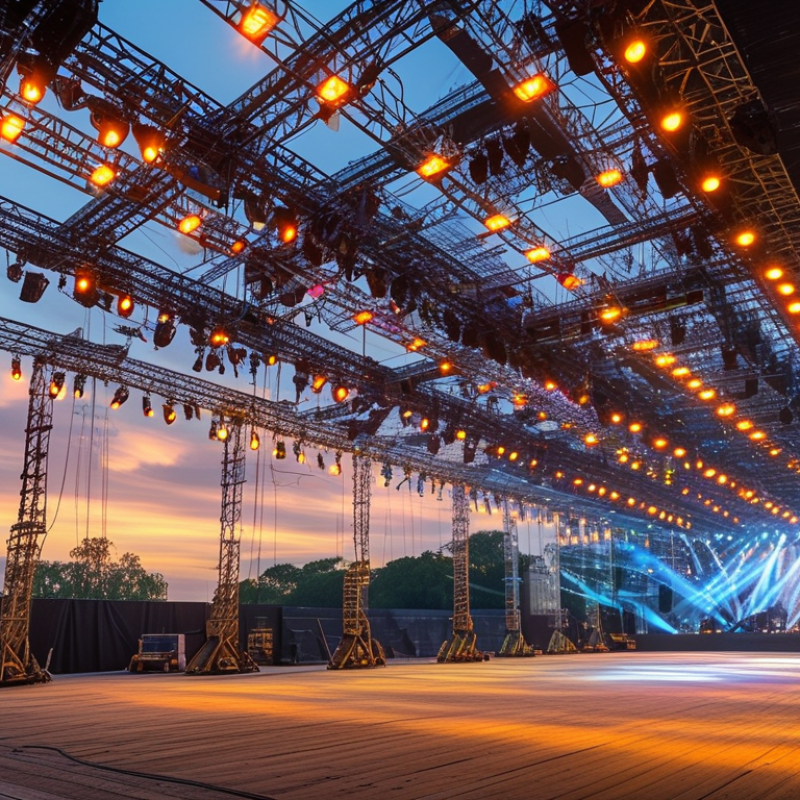
Understanding stage lighting safety requirements is crucial for any event organizer. Industry reports indicate that nearly 30% of lighting-related accidents stem from improper installations. Proper installation minimizes risks significantly. Key considerations include ensuring proper weight distribution and secure rigging to prevent falls. According to the Event Safety Alliance, about 50% of accidents could be avoided through adherence to basic safety protocols.
It’s vital to utilize appropriate materials for lighting installations. This includes using cables with the right load capacity. A study found that using subpar equipment increases malfunction rates. Regular inspections can reduce risks significantly. In fact, routine checks could lower the likelihood of accidents by up to 25%. Another common mistake is overlooking heat management. Overheating lights can lead to equipment failure or fire hazards. Proper ventilation is often neglected but essential for safety.
Training staff is a fundamental aspect of safety. Inadequate training leaves gaps in knowledge. Studies show that facilities with trained personnel experience fewer accidents. Many events lack a dedicated safety officer, which is a critical oversight. Even minor oversights can have serious consequences. While guidelines exist, the responsibility ultimately falls on the event organizers to prioritize safety. Taking these steps can greatly enhance stage lighting safety and protect both personnel and attendees.
Ensuring safe stage lighting installations begins with identifying potential risks. First, consider the location. A wet or uneven stage can lead to slips or falls. Rigging lights improperly might cause them to fall, posing a severe hazard. Always survey the venue. Sketch a layout that identifies where lights will be placed to minimize risks.
Next, assess the equipment used. Check the electrical load of your fixtures. Overloading circuits can create fire hazards. Examine cables for fraying or damage. These small details often get overlooked but can lead to serious accidents. Employing reliable rigging techniques and secure mounts can lessen the chance of equipment failure.
Training is vital. Ensure all crew members understand setup guidelines and safety protocols. Regular safety drills can help them react calmly in emergencies. This not only enhances confidence but promotes a culture of safety. Reflecting on previous events can provide valuable insights into what went wrong and how to improve. Safety in lighting is an ongoing journey that requires constant evaluation and adaptation.
Choosing the right equipment for stage lighting is crucial for safety and effectiveness. According to industry reports, nearly 30% of lighting-related accidents stem from improper equipment choices. It’s essential to select fixtures that meet safety standards. Look for certifications like UL or ETL. These certifications indicate that products have been tested for safety and performance.
Understanding load capacity is another critical factor. Many fixtures have weight limits based on their design and materials. Failing to adhere to these limits can lead to catastrophic failures. An alarming statistic shows that improper rigging accounts for about 20% of all event-related injuries. Ensuring that hoists and rigging equipment are rated for your usage is vital. Regular inspection and maintenance of these systems should not be overlooked.
Moreover, consider the energy efficiency of your lighting choices. LED fixtures can reduce energy consumption significantly. The U.S. Department of Energy reports that LEDs used in stage lighting can cut energy use by up to 75% compared to traditional lighting. However, not all LEDs provide the same color rendering and brightness. Researching and testing various options will yield the best mix of safety and effectiveness. The implications of these choices can reverberate through the entire event.
This bar chart displays the frequency of usage of various stage lighting equipment categorized by safety ratings. The data emphasizes the importance of selecting safe, effective lighting for events.
When it comes to stage lighting installations for events, paying attention to best practices is crucial. Proper installation procedures can significantly enhance safety. Begin with a thorough site assessment. Understand the venue’s layout, power sources, and audience areas. This knowledge shapes how lights will be positioned. It’s vital to secure fixtures correctly to prevent any accidental falls during events.
Regular maintenance checks are equally important. Inspect cables for wear and ensure connections are tight. A frayed cable can cause malfunctions and even fires. Schedule routine maintenance sessions, and keep a detailed log. This practice not only enhances safety but also extends the lifespan of the equipment. Attention to these details reveals a commitment to excellence that can set your production apart.
Yet, even with careful planning, mistakes can occur. Sometimes, unexpected equipment failures happen. Inadequate lighting can lead to confusion on stage. It’s essential to have contingency plans in place. Training staff to respond quickly to issues is crucial. Reflecting on past experiences can yield insights for future events. Each installation should strive for improvement, learning from earlier missteps to create safer environments.
Training personnel on safety protocols is vital for safe stage lighting installations. An ILDA report indicates that 40% of lighting-related incidents occur due to improper training. Ensuring everyone involved understands operational procedures can significantly reduce risks during events. Regular workshops should be conducted to familiarize staff with equipment handling and emergency protocols.
Visual aids and simulation exercises can enhance learning. When personnel recognize potential hazards, they can take proactive measures. A study from the Event Safety Alliance shows that well-trained teams respond 50% faster in emergencies. Initial confusion or hesitation is common without adequate training. Continuous reinforcement of knowledge is essential for maintaining safety standards.
Evaluation and feedback sessions help identify training gaps. Reflecting on past events can lead to improvements. Creating a culture of safety ensures all team members feel responsible for maintaining a secure environment. Investing in training is an investment in overall safety and event success.
| Safety Protocol | Description | Training Frequency | Personnel Responsible |
|---|---|---|---|
| Electrical Safety | Understanding and complying with electrical codes and standards to prevent hazards. | Annually | Electricians, Stage Managers |
| Equipment Handling | Proper lifting techniques and handling procedures for heavy lighting equipment. | Semi-Annually | Technicians, Crew Members |
| Emergency Procedures | Training on how to respond to electrical fires and equipment failures. | Bi-Annually | All Event Staff |
| Rigging Safety | Understanding rigging systems and ensuring safe mounting of lights and equipment. | Annually | Rigging Teams, Stage Crew |
| Personal Protective Equipment (PPE) | Ensuring the use of helmets, gloves, and other protective gear when handling equipment. | Ongoing | All Crew Members |
: Choosing appropriate lighting equipment ensures safety and effectiveness, reducing the risk of accidents.
Look for safety certifications like UL or ETL to ensure the products meet safety and performance standards.
Load capacity refers to the weight limits of fixtures. Exceeding these limits can cause severe accidents.
Using LED fixtures can significantly lower energy consumption while providing adequate lighting for events.
Conduct a thorough site assessment to understand the venue and plan the positioning of lights properly.
Regular checks can prevent malfunctions, enhance safety, and extend the lifespan of the lighting fixtures.
Proper training reduces risks; it helps team members respond quickly to emergencies and handle equipment safely.
Have contingency plans and train staff to handle unexpected issues swiftly to minimize disruptions.
Yes, mistakes like improper securing of fixtures can lead to falls and accidents if not addressed correctly.
Regular training, evaluations, and feedback sessions can foster responsibility and awareness of safety protocols.
Ensuring stage lighting safety is crucial for the success of any event. To adequately address "How to ensure the safety of stage lighting installations," one must first understand the basic safety requirements that pertain to stage lighting. This includes identifying potential risks such as electrical hazards or structural instability and assessing these risks effectively. Choosing the right equipment is equally important, as it contributes to a safe and efficient lighting setup.
In addition, implementing best practices during installation and ongoing maintenance can significantly mitigate risks. Regular checks and appropriate safeguards should be part of routine procedures. Furthermore, training and educating personnel on safety protocols is essential to ensure that everyone involved is aware of the proper practices and emergency procedures. By incorporating these elements, event organizers can create a safer environment that prioritizes the well-being of performers and audiences alike.

Senning Lights