China Top 10 Tips for Choosing Intelligent Stage Lighting?

Time:2026-07-17 Author:Charlotte
0%

Choosing the right intelligent stage lighting for events can significantly impact the overall experience. With numerous options available, understanding your specific needs is crucial. Intelligent lighting not only enhances visuals but also sets the mood and atmosphere for any event.

The selection process can feel overwhelming, especially for those new to stage design. It's vital to consider the venue size, type of event, and desired ambiance. Sometimes, more complex systems might be less suitable for smaller venues. Getting the balance right can be challenging.

Additionally, staying within budget while choosing high-quality equipment is essential. Investing in reliable brands can ensure better performance and longevity. However, what works perfectly for one event may not suit another. Reflecting on past experiences can guide your decisions in selecting the best lighting solutions.
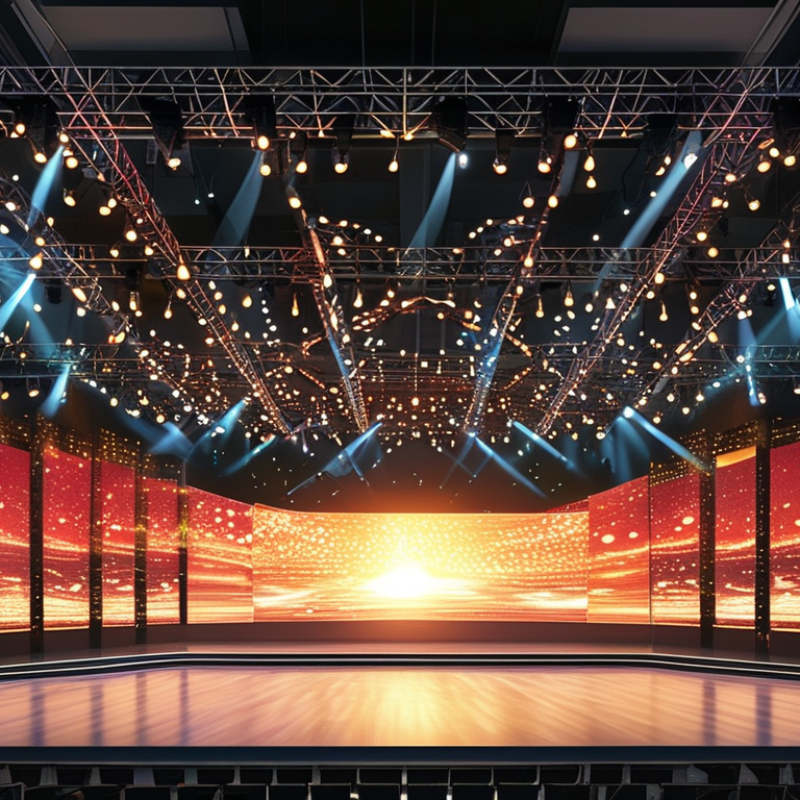
China Top 10 Tips for Choosing Intelligent Stage Lighting?

Understanding Your Venue's Lighting Needs

When selecting intelligent stage lighting, understanding your venue's unique lighting needs is crucial. Different venues have various architectural features, such as high ceilings, dark walls, or reflective surfaces. These elements can significantly affect how light behaves in the space. For example, a cathedral-like venue may amplify sound but can absorb light, requiring more powerful fixtures to achieve desired effects.

Consider the type of events you typically host. A small theater may need different lighting than a concert hall. For theatrical productions, softer, warmer light can create an intimate atmosphere. In contrast, concerts often benefit from vibrant, colorful lighting effects. Assessing the types of performances and their specific lighting requirements can guide your decision-making process.

Don't forget to think about the future. Will your venue host a diverse range of events? If so, invest in adaptable lighting solutions that can transform the space quickly. Sometimes, cheaper fixtures seem appealing, but they may not meet all your needs. Additionally, poorly placed fixtures can create shadows or uneven lighting, which can detract from the overall experience. By reflecting on these factors, you can choose lighting that enhances both aesthetics and functionality.

Evaluating Different Types of Intelligent Stage Lighting

When evaluating different types of intelligent stage lighting, understanding their unique features is crucial. The industry offers a variety of options, each serving distinct purposes. For instance, moving head lights provide dynamic effects, while LED fixtures are valued for energy efficiency and color versatility. According to a 2023 industry report, 70% of professionals prefer LED technology for its longevity and reduced heat output.

The choice of lighting fixtures can significantly affect a production's atmosphere. Automated lights enable quick adjustments, which can enhance audience engagement. However, reliance on automation can lead to technical issues during live performances. It's reported that 25% of theater productions experience equipment malfunctions, emphasizing the need for backup plans and skilled technicians on hand.

Moreover, the integration of smart lighting control systems has surged. These systems allow synchronization with music and video, creating immersive experiences. Despite their advantages, they can be complex and require thorough training. Industry data indicates that 40% of lighting designers struggle with new technologies, highlighting the importance of ongoing education and practice in this evolving field.

Assessing Control Systems and Software Compatibility

When selecting intelligent stage lighting, software compatibility and control systems play a crucial role. Understanding your technical needs is essential. Check if the control system you choose can seamlessly integrate with various lighting setups. Compatibility ensures smooth operation and flexibility on stage. A good control system should support multiple protocols to adapt to different environments.

Many designers overlook the importance of user-friendly interfaces. A complex system can lead to mistakes during live events. Prioritize systems that provide clear visual feedback. This helps operators stay focused under pressure. Software updates are also vital. Regular updates can introduce new features and fix bugs, enhancing overall performance.

Testing equipment before finalizing a purchase is wise. Set up mock scenarios to evaluate how the system responds. Consider future needs too. Will the system adapt as your projects evolve? Investing time in compatibility assessments now can save headaches later. As you navigate choices, remain aware of your specific requirements and industry trends. This provides a foundation for successful stage lighting design.

Considering Budget and Long-Term Investment

When selecting intelligent stage lighting, budget considerations are crucial. A thoughtful investment can enhance performances for years. However, balancing quality and cost can be challenging. Assess your long-term goals. Are you planning multiple events or installations? Budget wisely to ensure longevity and performance.

Consider buying used equipment. This can save money while still providing quality. Look for reputable sellers to ensure reliability. Test the lighting before finalizing your purchase. Sometimes, saving on initial costs might lead to regrets down the line. Examine reviews and seek expert opinions.

Think about energy consumption and maintenance costs. Investing in energy-efficient models can reduce operational expenses over time. Remember, cheaper isn't always better. Quality lights can provide better color and reliability. Weigh your options carefully before making a decision. Your stage deserves the best it can get.

Researching Reliable Brands and Customer Support

When selecting intelligent stage lighting, researching reliable brands and their customer support is crucial. A recent industry report indicated that 70% of lighting failures stem from poor brand choices. Therefore, understanding market dynamics helps ensure a successful investment.

Look for brands with a solid reputation. A survey found that 65% of professionals prefer brands with a strong history of reliability. Longevity in the market often correlates with stable product lineages. Many lighting options may look appealing, yet may lack adequate support when issues arise.

Customer service is equally important. According to a report by an industry expert, 80% of users believe that responsive support can significantly enhance their experience. Lighting equipment often requires technical assistance. A reliable brand should offer accessible resources and timely responses. Investing in intelligent stage lighting is not just about the product itself but also about ensuring quality support over its lifespan.

China Top 10 Tips for Choosing Intelligent Stage Lighting

Tip Number Tip Description Considerations Customer Support
1 Assess Your Lighting Needs Consider the type of events and venue size. Check if the brand provides setup assistance.
2 Research Reliable Brands Look for brands with good reputations. Customer feedback and online reviews matter.
3 Evaluate Product Features Check for flexibility and control options. Inquire about product warranties.
4 Consider Energy Efficiency Select LED lights for lower power consumption. Ask about energy-saving capabilities.
5 Inspect Build Quality Look for durable materials and construction. Confirm the availability of maintenance services.
6 Check Compatibility with Existing Equipment Ensure new lights work with your control systems. Ask for integration support details.
7 Test the Lighting Effect Visit a showroom or demo event if possible. Check return policies if unsatisfied.
8 Compare Prices Ensure you're getting a fair price for features. Price match guarantees can be helpful.
9 Look for User-Friendly Controls Consider ease of use during performances. Inquire about software updates and support.
10 Seek Recommendations Get input from industry professionals. Research user forums and communities.

FAQS

: Why is understanding a venue's lighting needs important?

: Each venue has unique features that affect light behavior, influencing the choice of lighting fixtures.

How do architectural features impact lighting decisions?

High ceilings or dark walls can absorb light, often requiring powerful fixtures for effective illumination.

What lighting is best for theatrical productions?

Softer, warmer light creates an intimate atmosphere ideal for plays and smaller events.

Why might concerts need different lighting compared to theaters?

Concerts benefit from vibrant, colorful effects, which enhance the visual experience for the audience.

How should I consider future events when choosing lighting?

Invest in adaptable lighting solutions to accommodate a variety of events over time.

What are some drawbacks of cheaper lighting fixtures?

Cheaper fixtures may not meet all needs, leading to shadows or uneven lighting.

What are common types of intelligent stage lighting?

Moving head lights offer dynamic effects, while LEDs are known for energy efficiency and color versatility.

What risks are associated with automated lighting?

Technical issues can arise during performances; 25% of theater productions face equipment malfunctions.

Why is training important for using smart lighting systems?

These systems can be complex, and 40% of designers struggle, highlighting the need for ongoing education.

How can lighting affect audience engagement?

Quick adjustments with automated lights can enhance the experience but also introduce potential for issues.

Conclusion

When considering how to choose the right intelligent stage lighting for events, it is essential to first understand the unique lighting needs of your venue. Different venues may require various lighting solutions depending on their size, purpose, and atmosphere. Evaluating the types of intelligent stage lighting available is crucial, as each type offers distinct features and effects that can enhance the event experience.

Furthermore, assessing control systems and software compatibility will ensure seamless operation and integration with existing equipment. Budget constraints and long-term investment potential should also be factored into the decision-making process, ensuring that you select a solution that meets your needs without exceeding financial limits. Lastly, researching reliable brands and their customer support will provide peace of mind and assurance that you're choosing a quality product that can adapt to future lighting demands.

Charlotte

Charlotte

Charlotte is a seasoned marketing professional with a deep understanding of the company's portfolio and a passion for elevating its presence in the market. With a keen eye for detail and a commitment to excellence, she ensures that our professional blog is regularly updated with insightful articles......